

Boreal Caribou Habitat Restoration and Wolf Movement
Evaluating landscape features that shape wolf predation efficiency.
Project Details
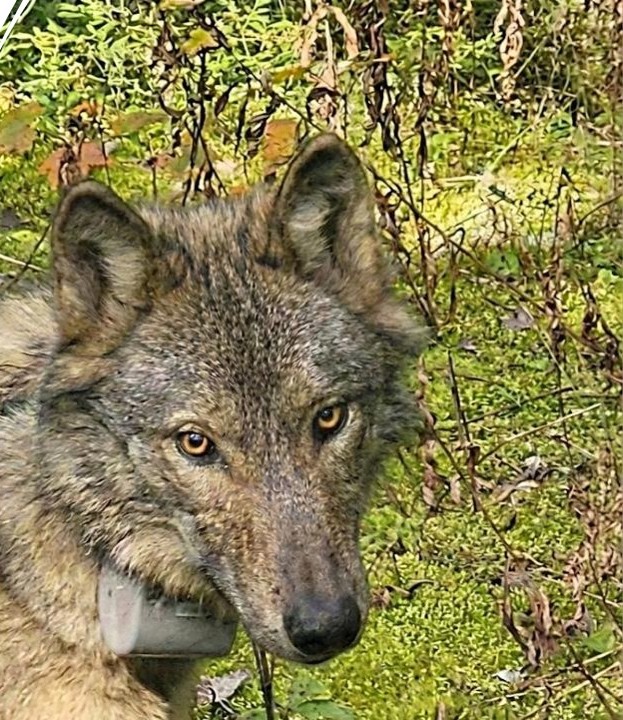
The Boreal Caribou Habitat Restoration and Wolf Movement Study examines how landscape changes influence predator–prey interactions between wolves and boreal caribou in northwestern Ontario. Decades of forestry activity have created a fragmented mosaic of boreal forest patches, roads, and logged areas.
These changes may affect how wolves move across the landscape and how easily they encounter caribou. By studying wolf movement patterns and their relationship to forest fragmentation, this project aims to identify opportunities to restore habitat and support the recovery of threatened boreal caribou populations.
The study is being conducted in collaboration with Whitesand First Nation in areas near Lake Nipigon, including portions of the Brightsand and Nipigon Caribou Ranges.
The goal of this research is to support the recovery of boreal caribou by better understanding how landscape disturbance influences wolf hunting patterns. Specifically, the project examines how the shape, size, and distribution of forest patches created by logging, roads, and other disturbances affect wolf movement and hunting efficiency. By identifying landscape conditions that increase or decrease the likelihood of wolf–caribou encounters, the study will help guide targeted habitat restoration efforts.
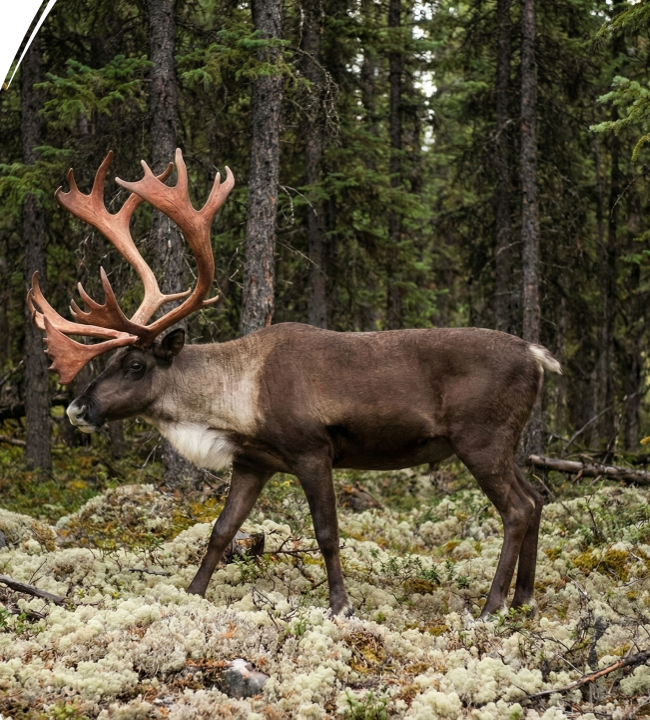
Boreal caribou are currently classified as threatened in Ontario and face increasing pressure from habitat loss, degradation, and fragmentation. Since the late 1800s, 40–50% of boreal caribou range in Ontario has been lost. Without effective habitat protection and restoration strategies, the species is at risk of becoming endangered.
Project Timeline
Preliminary Planning
November 2024 – March 2025
Wolf Collaring and Field Data Collection
May 2025 – October 2026
Data Analysis
February – December 2026
Sharing Results
February 2027